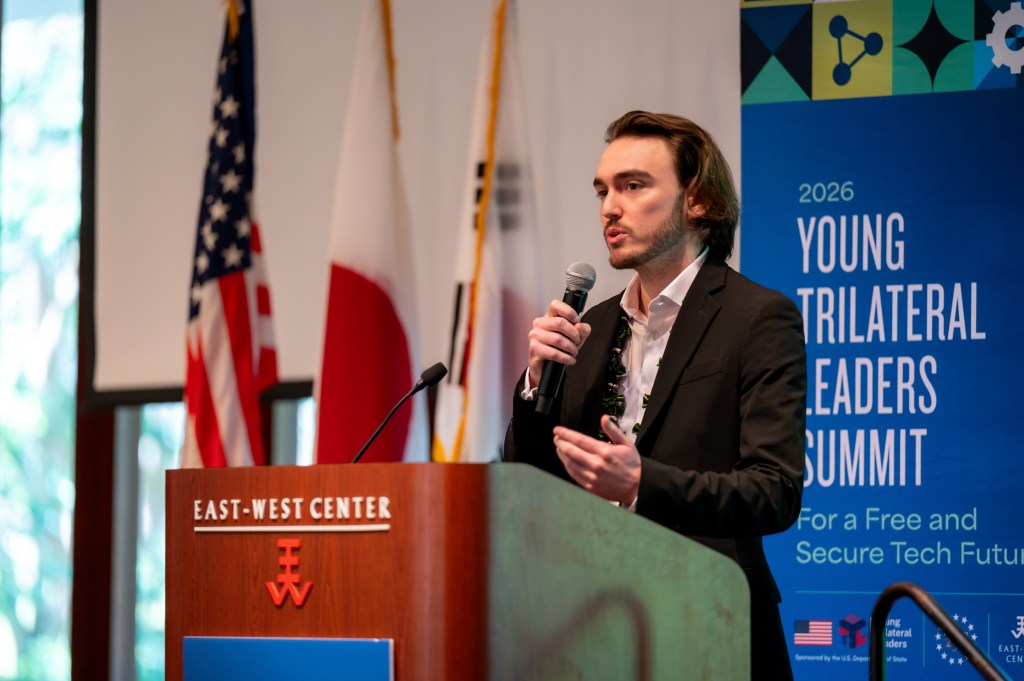
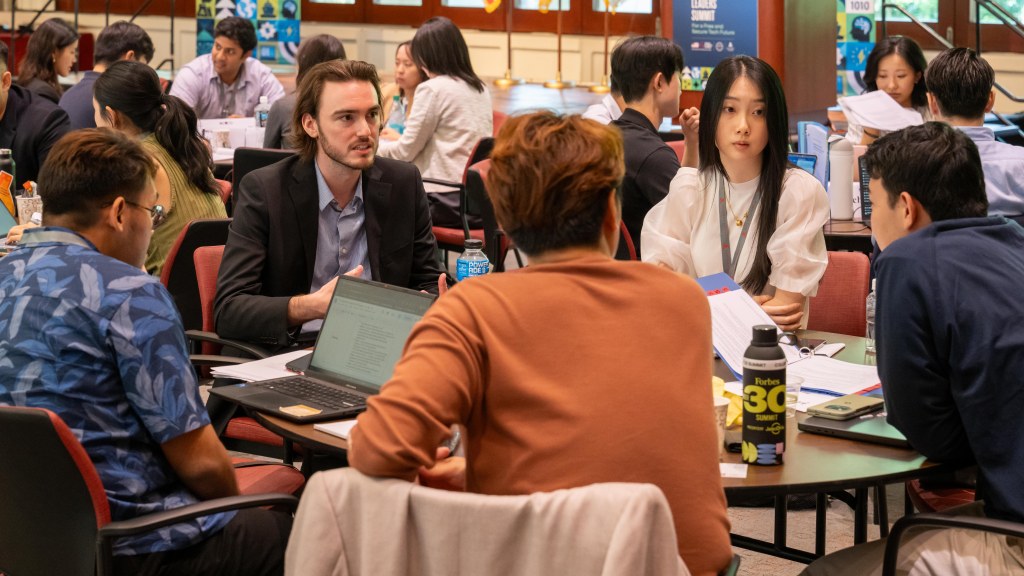
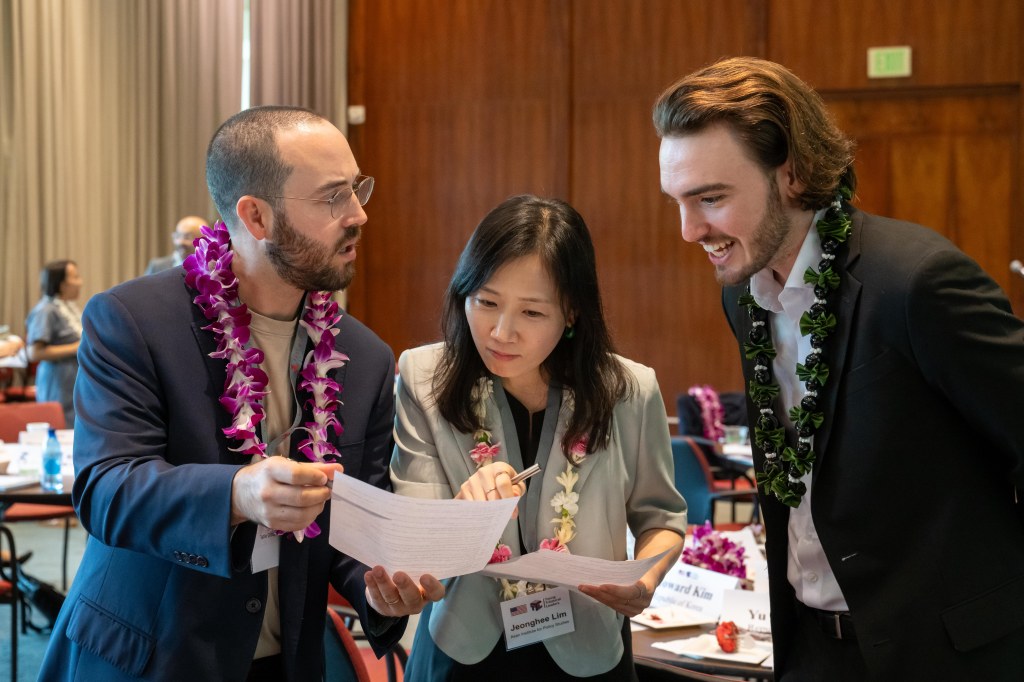
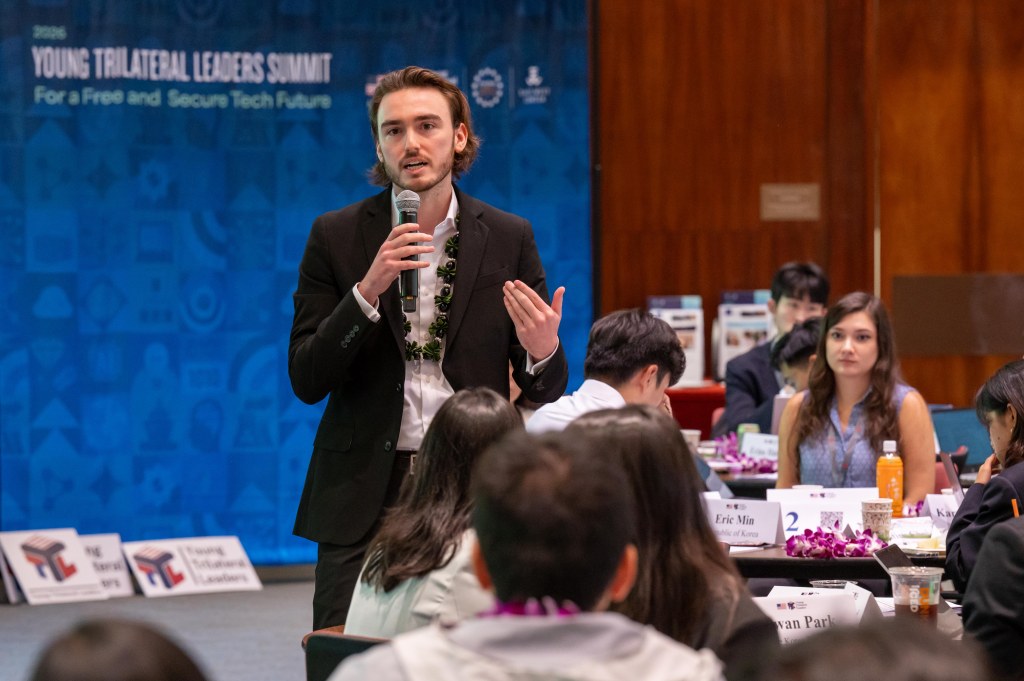
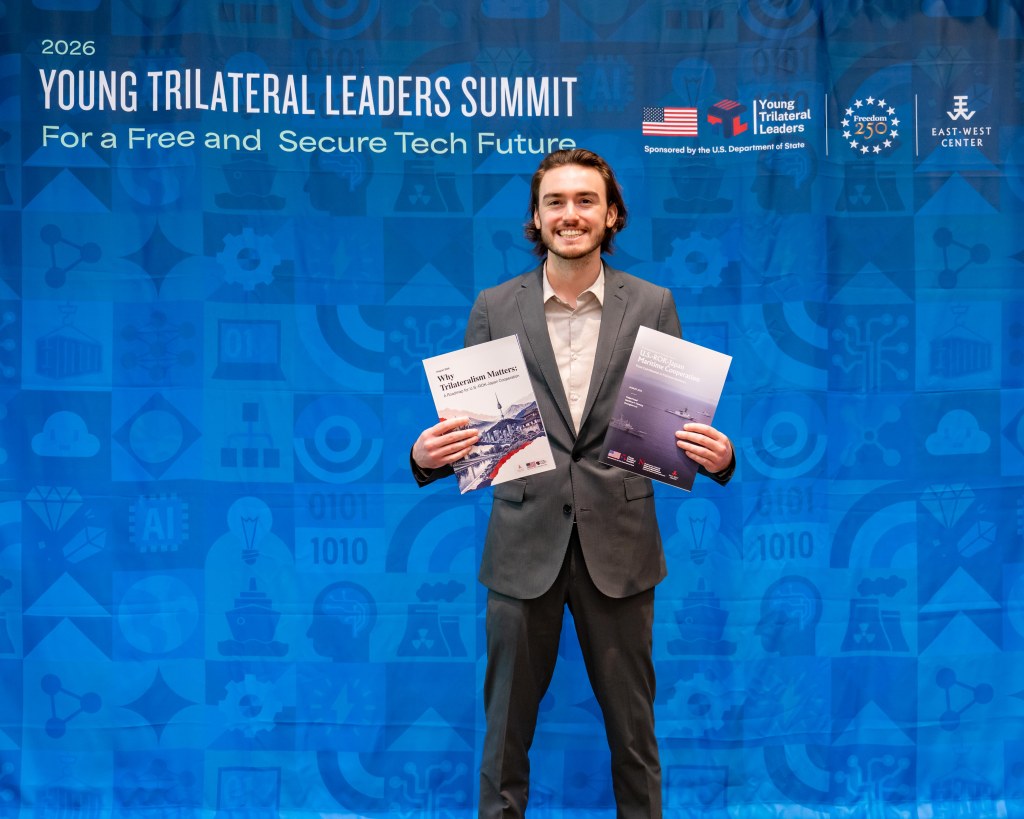
At the 2026 Young Trilateral Leaders Summit, I returned to YTL, this time as a Resident Expert and the designer of its tabletop exercise. I also launched the print editions of two reports at the summit, each funded by separate YTL Alumni Project Fund grants awarded in March.
In my presentation, I highlighted how regional rhetoric shapes the political space in which states pursue their interests and build cooperation. The Indo-Pacific defines the regional frame by shaping who and what are understood to be part of the region. National approaches to a Free and Open Indo-Pacific are not identical, but they draw on a shared vocabulary that allows states to articulate shared vulnerabilities and challenges and to frame the pursuit of national interests as compatible with regional priorities and as contributing to regional public goods. Minilateral partnerships can then operationalize areas of overlap within that framework by translating selected priorities into practical initiatives.
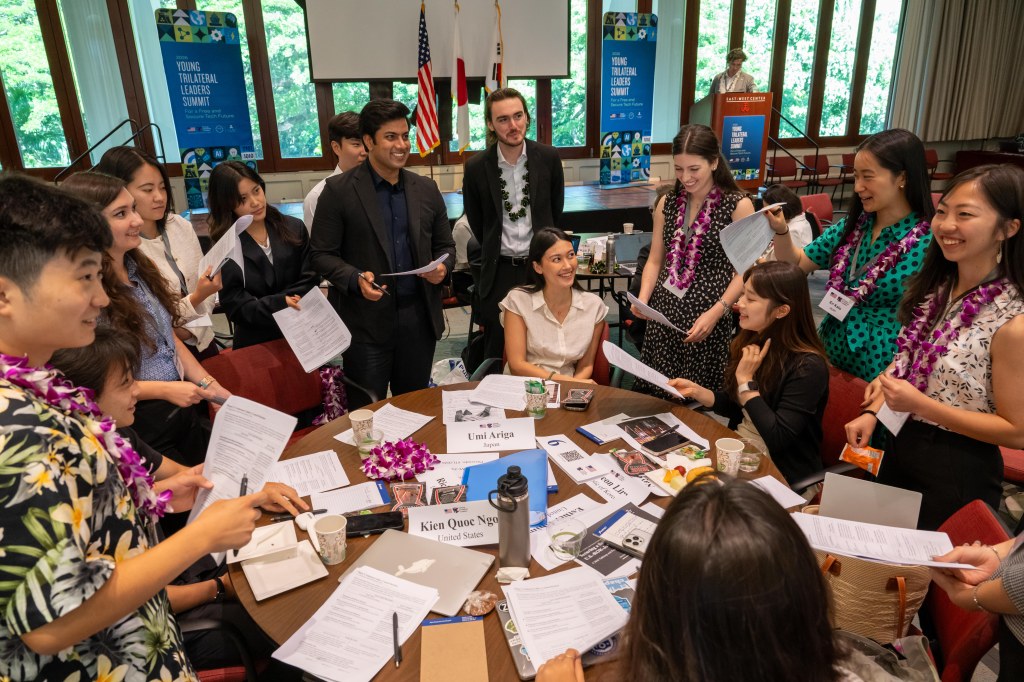
A flagship moment was the TTX I designed around four scenarios set in 2036. Delegates confronted linked crises spanning the effects of brain drain on scientific capacity, critical-mineral supply and processing, undersea-cable disruption, and a suspected quantum-enabled failure. Without key cooperative mechanisms in place, they had to make rapid decisions and accept trade-offs among competing needs. The exercise highlighted the costs of deferred cooperation. Over the next two days, across four subsequent project-development sessions, cross-national teams worked backward from those vulnerabilities to propose what the partnership should begin building now to strengthen technological resilience by 2036.
For “Why Trilateralism Matters: A Roadmap for U.S.-ROK-Japan Cooperation,” I served as an editor and co-authored the Security Pillar with Ayumi Nagatomi, working with project lead Yun Kyung Kim, Kelsee Jordan Lee, and contributors across six pillars. Through the Indo-Pacific Minilateral Cooperation Ideas Lab at Northeastern University’s Center for International Affairs and World Cultures, Dongkeun Lee and I led two Emerging Experts Dialogue sessions and co-authored “U.S.-ROK-Japan Maritime Cooperation: From Coordination to Maritime Resilience.” Online English, Korean, and Japanese editions of both reports are forthcoming on the U.S. Embassy in Seoul’s website.
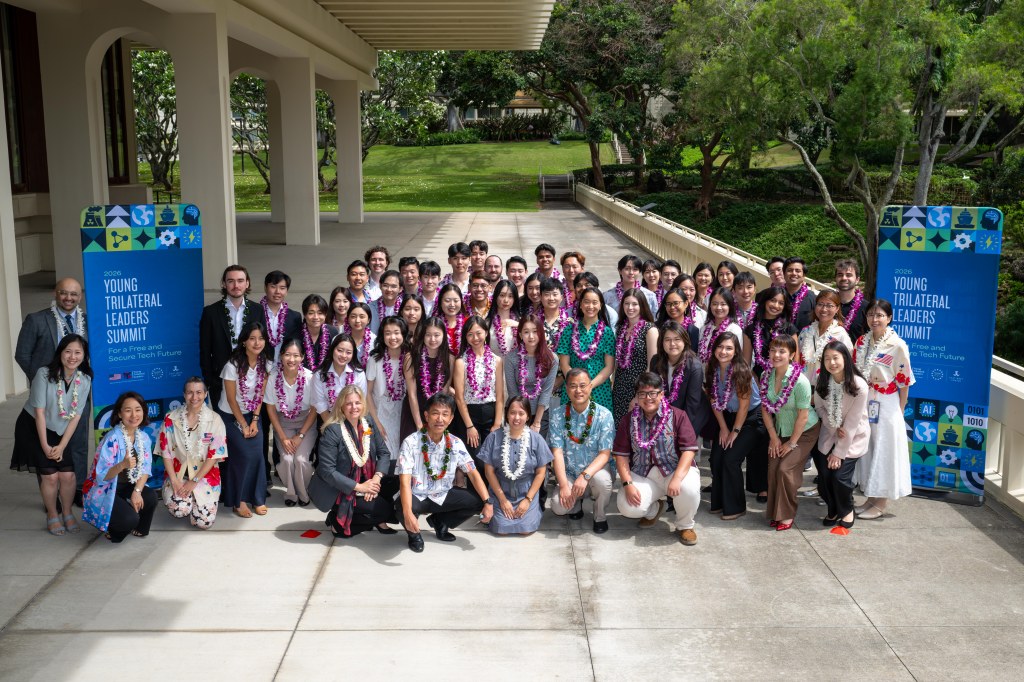
I first joined YTL as a U.S. delegate at its inaugural 2024 summit in Busan, one of the people-to-people initiatives announced at Camp David in 2023. Returning as YTL completed its first three-country cycle (Busan in 2024, Osaka in 2025, and Honolulu in 2026) is especially meaningful.
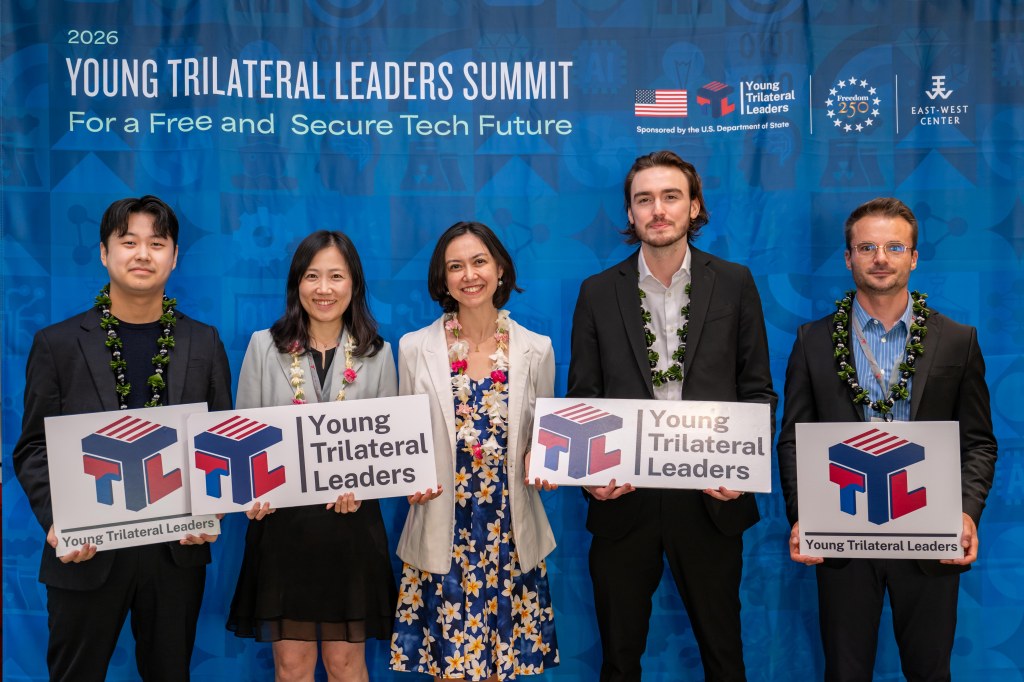
Thank you to the U.S. Department of State, the U.S. Embassy in Tokyo Japan and Embassy of the United States, Seoul, and the East-West Center, especially Adam Hennings, Grace Lee, Noyuri Mitsuhashi, and Abbigail (Hull) McCarty. I am grateful to fellow experts Martijn Rasserr, Tobias Peyerl, Sayuri Romei, Jeonghee Lim, and Jinwan Park.