Donald Trump will retake office at the start of 2025 as the 47th U.S. President. At the end of his previous presidency in 2020, pessimism about the future of the global order was high. The past four years of the United States’ deteriorating relations with China, threats to withdraw from multilateral organizations, and the emphasis on equal, reciprocal, and proportional burden-sharing with allies fueled these concerns. These concerns only intensified as the COVID-19 pandemic highlighted vulnerabilities to constructive international cooperation in an era of great power rivalry. Leading up to the 2024 U.S. election, this ever-increasing perception of current affairs as one of instability remained a prominent characterization. A sentiment that once focused on the threat to international cooperation posed by the Trump presidency and exacerbated by the later pandemic continued on a larger scale due to the emergence of multiple global crises: Russia’s invasion of Ukraine, the Israeli-Palestinian conflict, deteriorating inter-Korean relations amid North Korean threats, the militarization of the South China Sea, and increasing tensions between the United States and China. With Trump’s return to the White House, the growing concern about further instability and disruption to U.S. foreign policy that his election will bring is rightly being considered and debated.
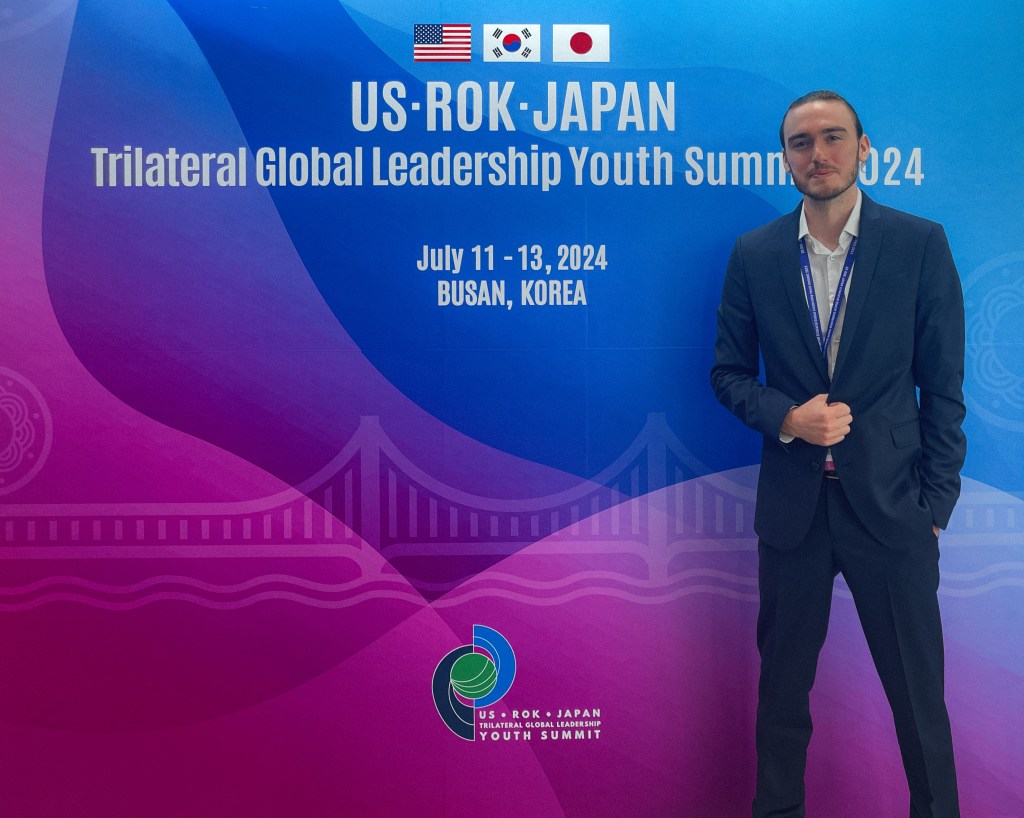
However, despite the dominance of focusing on instability and justified concern over the disruption his administration might bring, a contrary, more optimistic perspective still deserves reiteration. Over the last four years, an undercurrent of optimism has emerged, focusing on rapid development and resilience building with our partners and allies. The world has witnessed remarkable international collaboration in developing and distributing COVID-19 vaccines, widespread condemnation of Russia’s actions, support for the Ukrainian defense, and coordinated humanitarian efforts in conflict zones. However, what is more interesting is the critical driver of resilience beyond traditional, pre-existing international multilateral structures, evident in the growing prevalence of more targeted, regionally focused, smaller formulas of partnership based on shared interests, termed minilateralism. Notably, initiatives such as AUKUS, the QUAD, and the U.S.-ROK-Japan trilateral partnership have propelled a vision of a Free and Open Indo-Pacific (FOIP) and highlighted the importance of countries adopting Indo-Pacific Strategies (IPS). This networked approach, characterized by an overlapping and ‘latticework’ of minilateral cooperation centered in the vital region of the Indo-Pacific, exemplifies a proactive, inclusive, and resilient response taking place amid great power competition and instability concerns…
To Read the Full Report: (Click Here)












 Matthew F. FLEMING